Lino relief print created during the 2026 Wayzgoose Steamroller Print event in Tacoma. Each print was pressed using a 1.5 ton steamroller. See the entire process here!
The Wayzgoose theme this year was Tacoma Works, a celebration of the labor history of Tacoma, labor solidarity, Tacoma industry, and what work in Tacoma looks like.
As I thought about the theme, I realized I wanted to highlight the unpaid labor that women do, all the work that doesn't get acknowledged as “real work" and goes uncompensated but quietly forms the backbone of society. Care work, cooking and cleaning, household management, pregnancy and child rearing, carrying the emotional and mental load, etc.
I wanted to use the imagery of a quilt because this devaluing of "women's work" has extended into the art world by deeming mediums historically associated with women as merely "craft" - lots of fiber art, quilting, embroidery: highly skilled and artistically incredible work that wasn't considered "fine art."
Women's work is the thread that stitches everything together. It's the thread that goes unnoticed and under appreciated, but without it, everything would fall apart.
When I say “women’s work” I don’t mean that only women engage in these types of work, but historically these types of unpaid labor have fallen vastly upon women. I also don’t mean that women don’t or haven’t engaged in paid labor and industry throughout Tacoma’s history, they obviously have. To me, “women’s work” is the phrase that embodies how we devalue certain types of labor typically associated with women, and can extend into forms of paid labor— why is it that teachers are so underpaid in our society? Could it have anything to do with teaching having been a workforce of primarily women historically?
So when we talk about women’s work we’re talking about things like care work, elder care, feeding a family, procuring groceries, household management, keeping a home clean and stocked, rearing children, pregnancy, birthing and breastfeeding, emotional labor, mental load, community building and organizing. Without these forms of “women’s work” our society would unravel.
Women's work is work. The labor and industry history in Tacoma could not have happened without the women in the background supporting it all with the work they did that wasn't considered real work.
Tacoma Works because Women Work.
—
Due to the nature of printing outdoors, on the ground, with a steam roller, there are variations and slight imperfections from print to print.
Prints ship rolled in a cardboard tube.
Local pickup is in Central Tacoma.
Paper size: 30.5 x 44 in
Print size: 24 x 36 in
Lino relief print created during the 2026 Wayzgoose Steamroller Print event in Tacoma. Each print was pressed using a 1.5 ton steamroller. See the entire process here!
The Wayzgoose theme this year was Tacoma Works, a celebration of the labor history of Tacoma, labor solidarity, Tacoma industry, and what work in Tacoma looks like.
As I thought about the theme, I realized I wanted to highlight the unpaid labor that women do, all the work that doesn't get acknowledged as “real work" and goes uncompensated but quietly forms the backbone of society. Care work, cooking and cleaning, household management, pregnancy and child rearing, carrying the emotional and mental load, etc.
I wanted to use the imagery of a quilt because this devaluing of "women's work" has extended into the art world by deeming mediums historically associated with women as merely "craft" - lots of fiber art, quilting, embroidery: highly skilled and artistically incredible work that wasn't considered "fine art."
Women's work is the thread that stitches everything together. It's the thread that goes unnoticed and under appreciated, but without it, everything would fall apart.
When I say “women’s work” I don’t mean that only women engage in these types of work, but historically these types of unpaid labor have fallen vastly upon women. I also don’t mean that women don’t or haven’t engaged in paid labor and industry throughout Tacoma’s history, they obviously have. To me, “women’s work” is the phrase that embodies how we devalue certain types of labor typically associated with women, and can extend into forms of paid labor— why is it that teachers are so underpaid in our society? Could it have anything to do with teaching having been a workforce of primarily women historically?
So when we talk about women’s work we’re talking about things like care work, elder care, feeding a family, procuring groceries, household management, keeping a home clean and stocked, rearing children, pregnancy, birthing and breastfeeding, emotional labor, mental load, community building and organizing. Without these forms of “women’s work” our society would unravel.
Women's work is work. The labor and industry history in Tacoma could not have happened without the women in the background supporting it all with the work they did that wasn't considered real work.
Tacoma Works because Women Work.
—
Due to the nature of printing outdoors, on the ground, with a steam roller, there are variations and slight imperfections from print to print.
Prints ship rolled in a cardboard tube.
Local pickup is in Central Tacoma.
Paper size: 30.5 x 44 in
Print size: 24 x 36 in

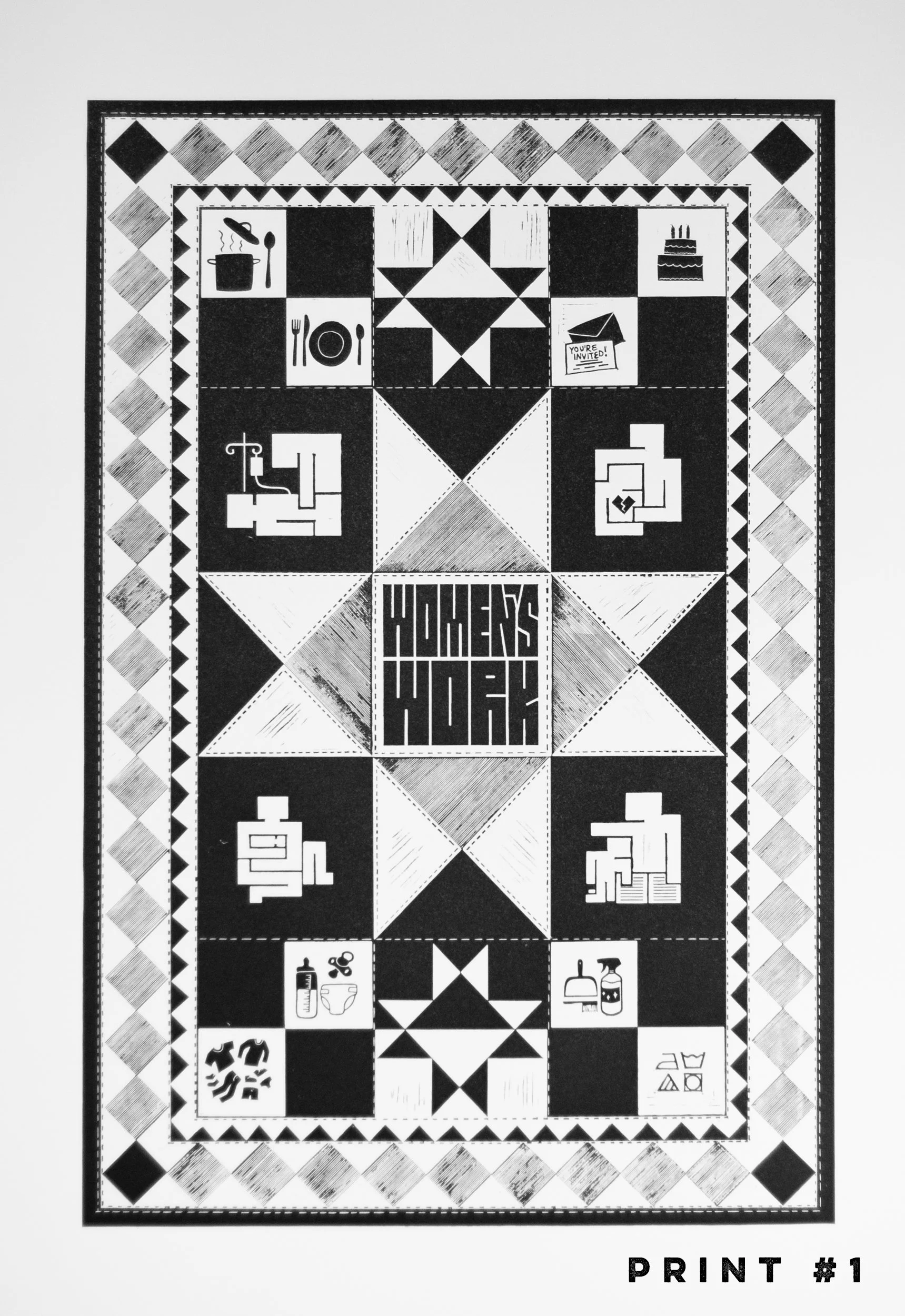 Image 1 of 9
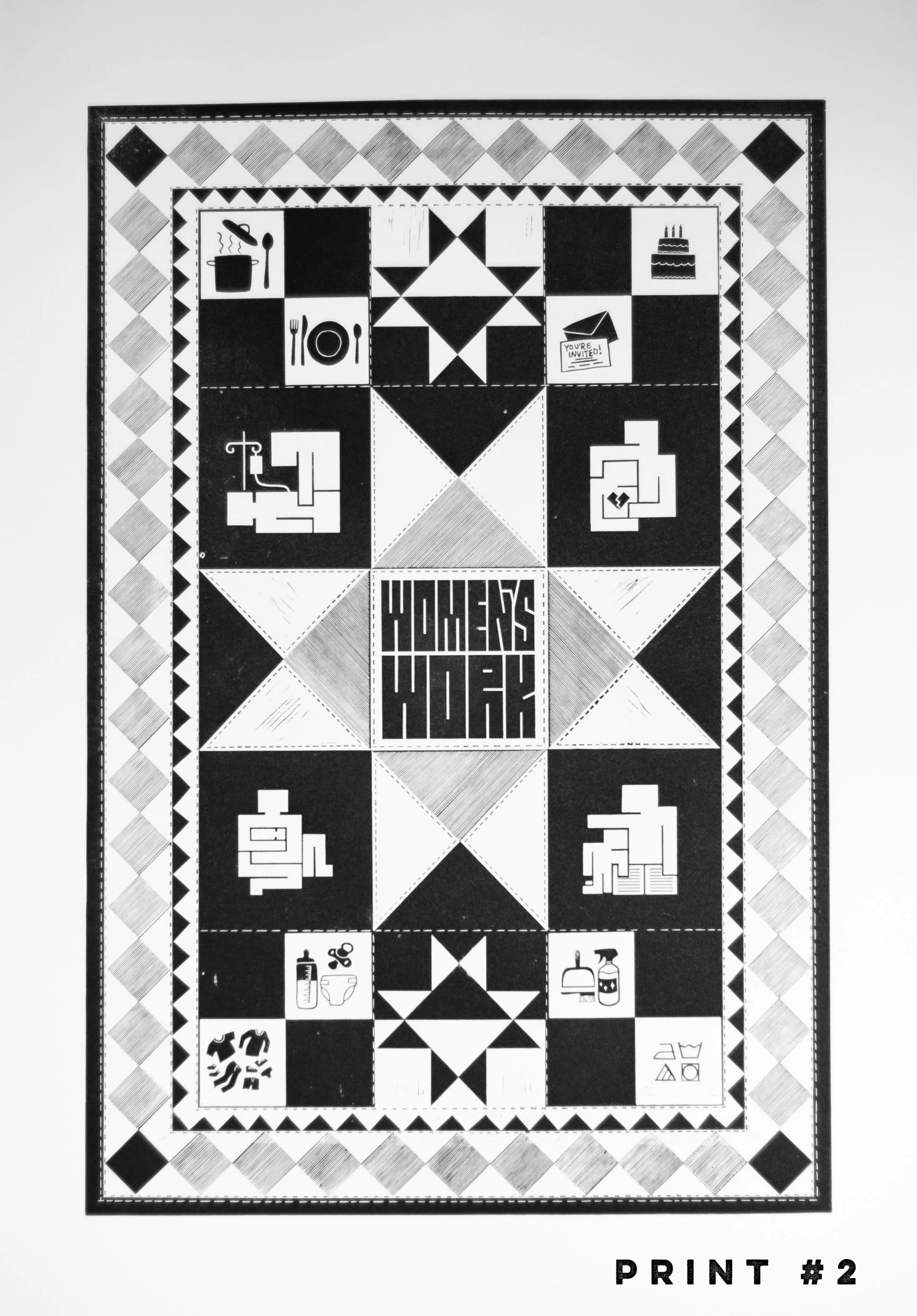 Image 2 of 9
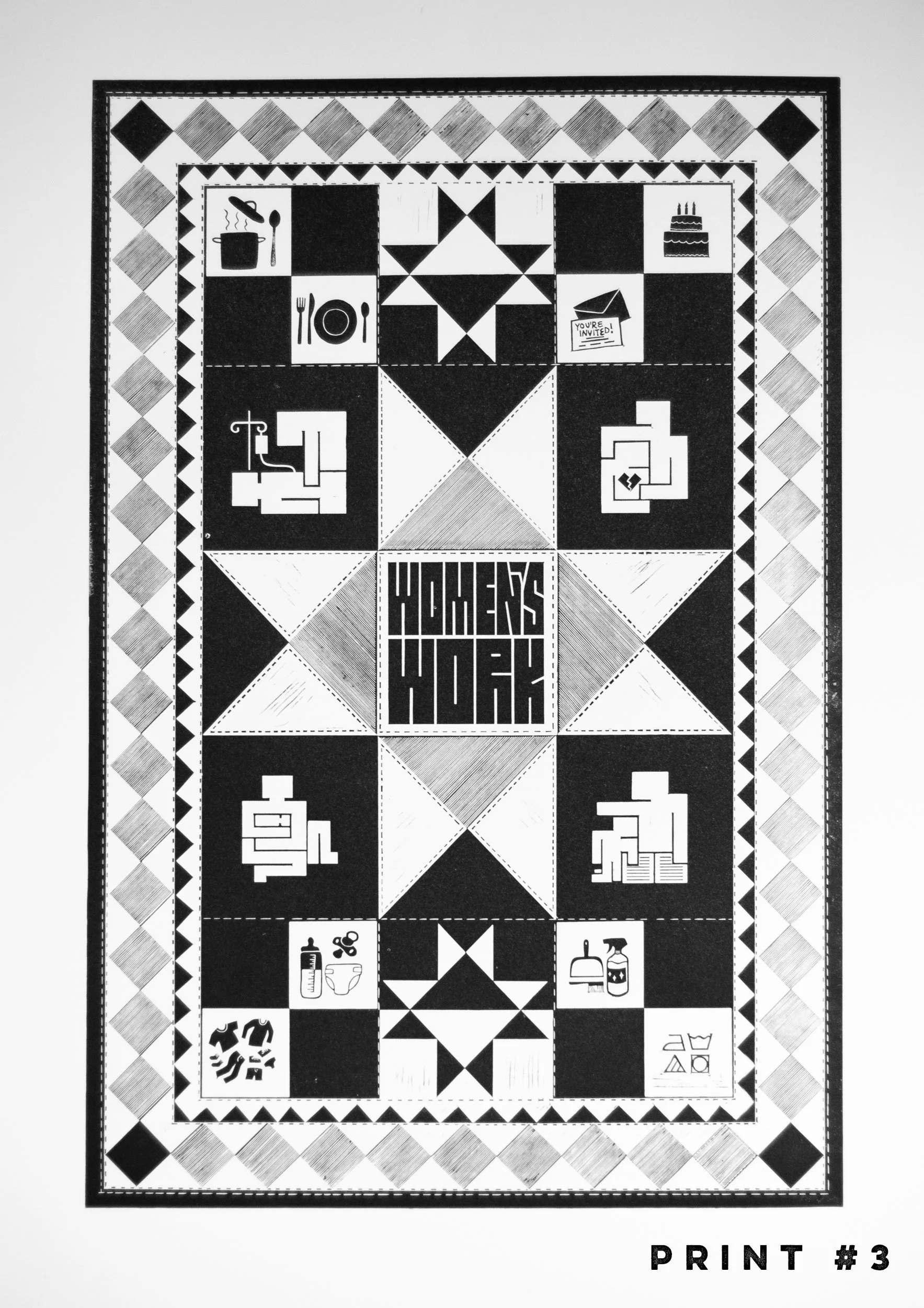 Image 3 of 9
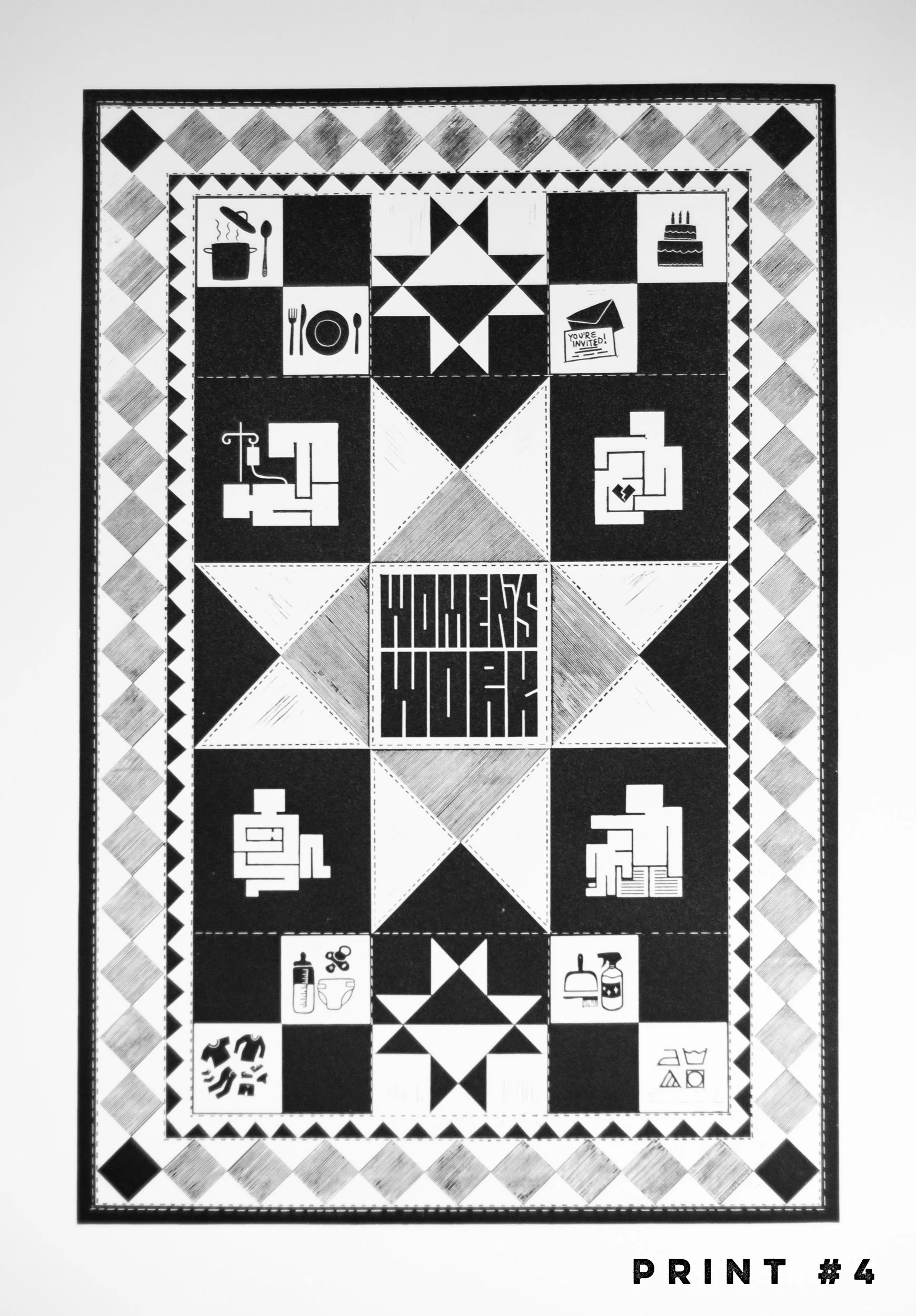 Image 4 of 9
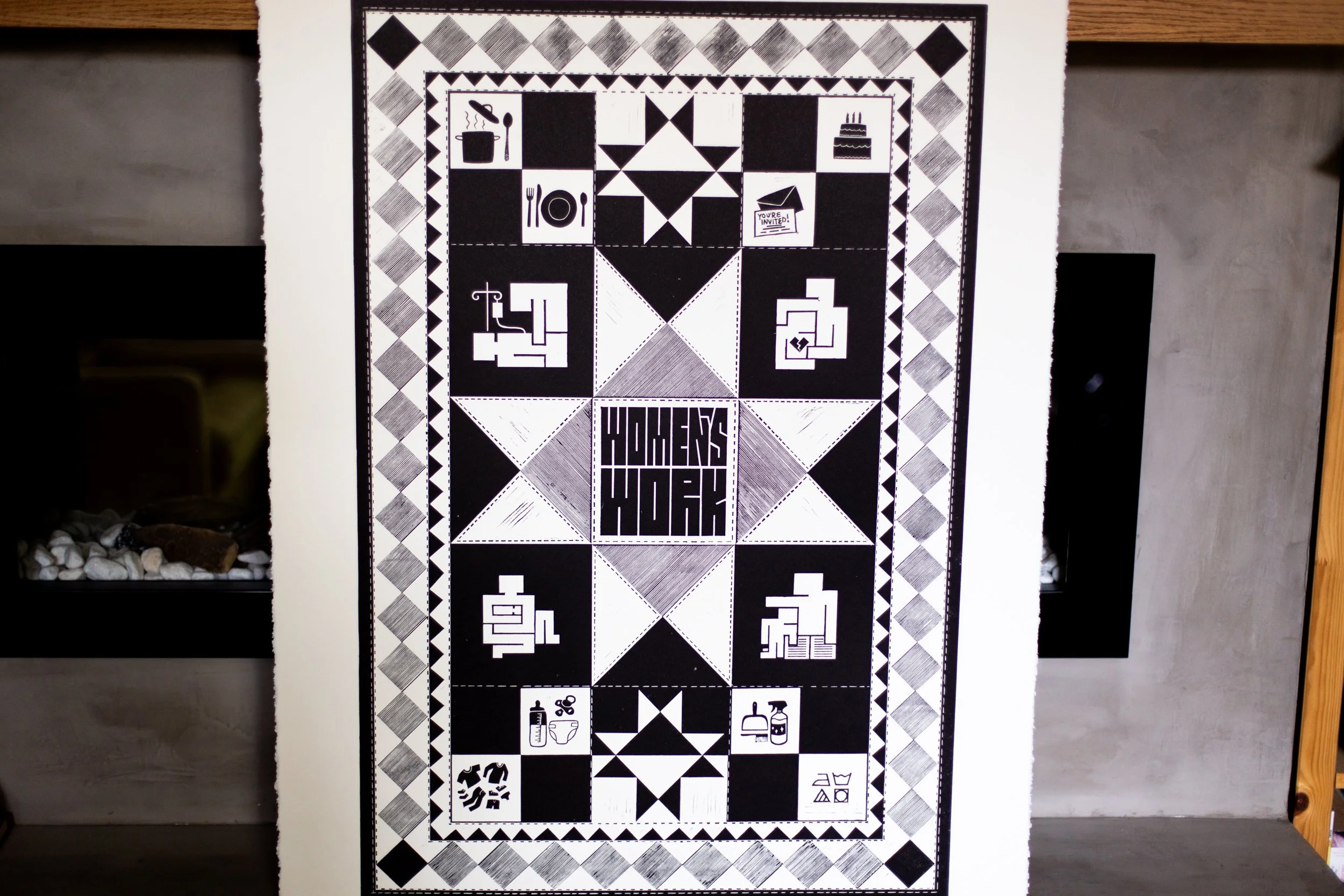 Image 5 of 9
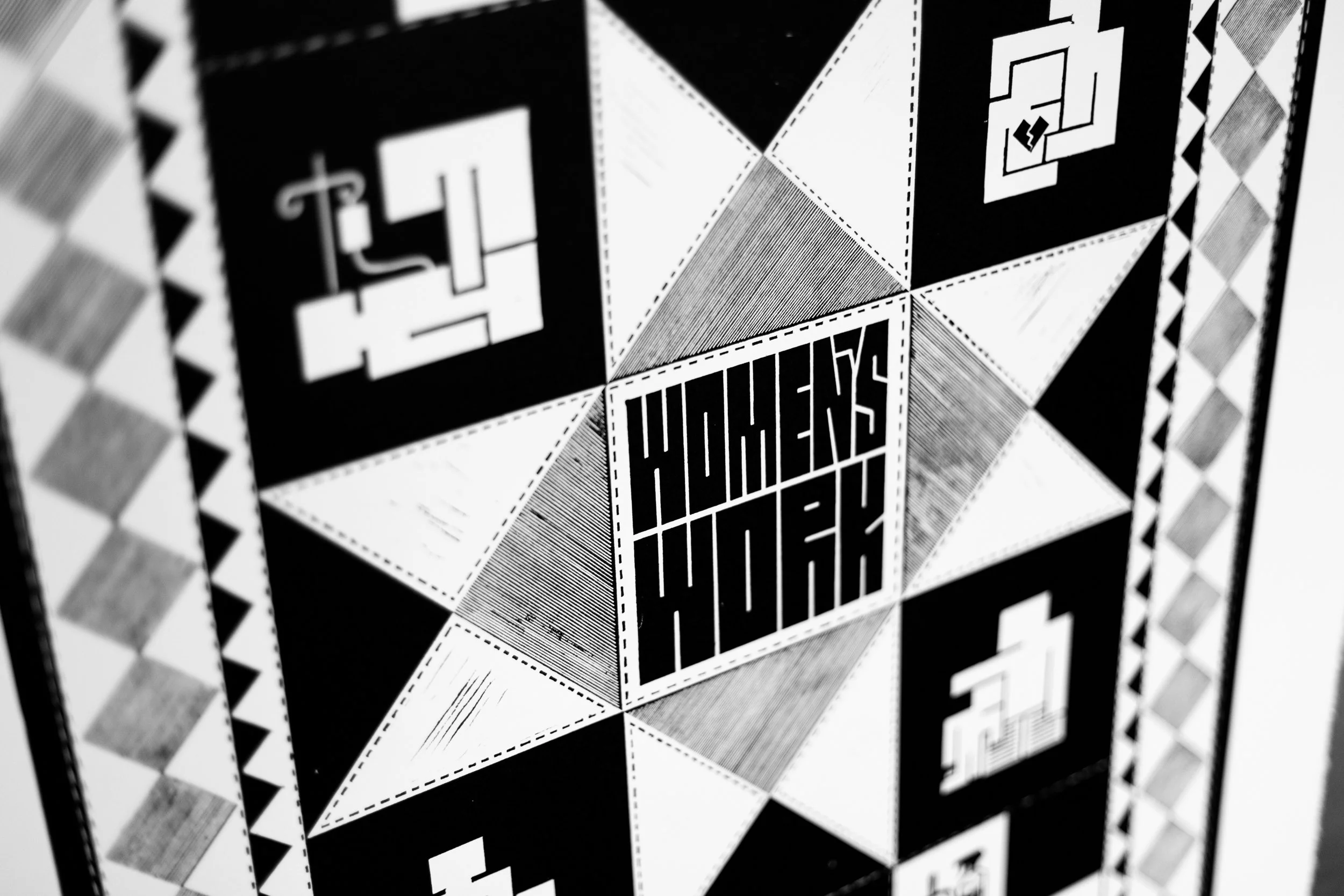 Image 6 of 9
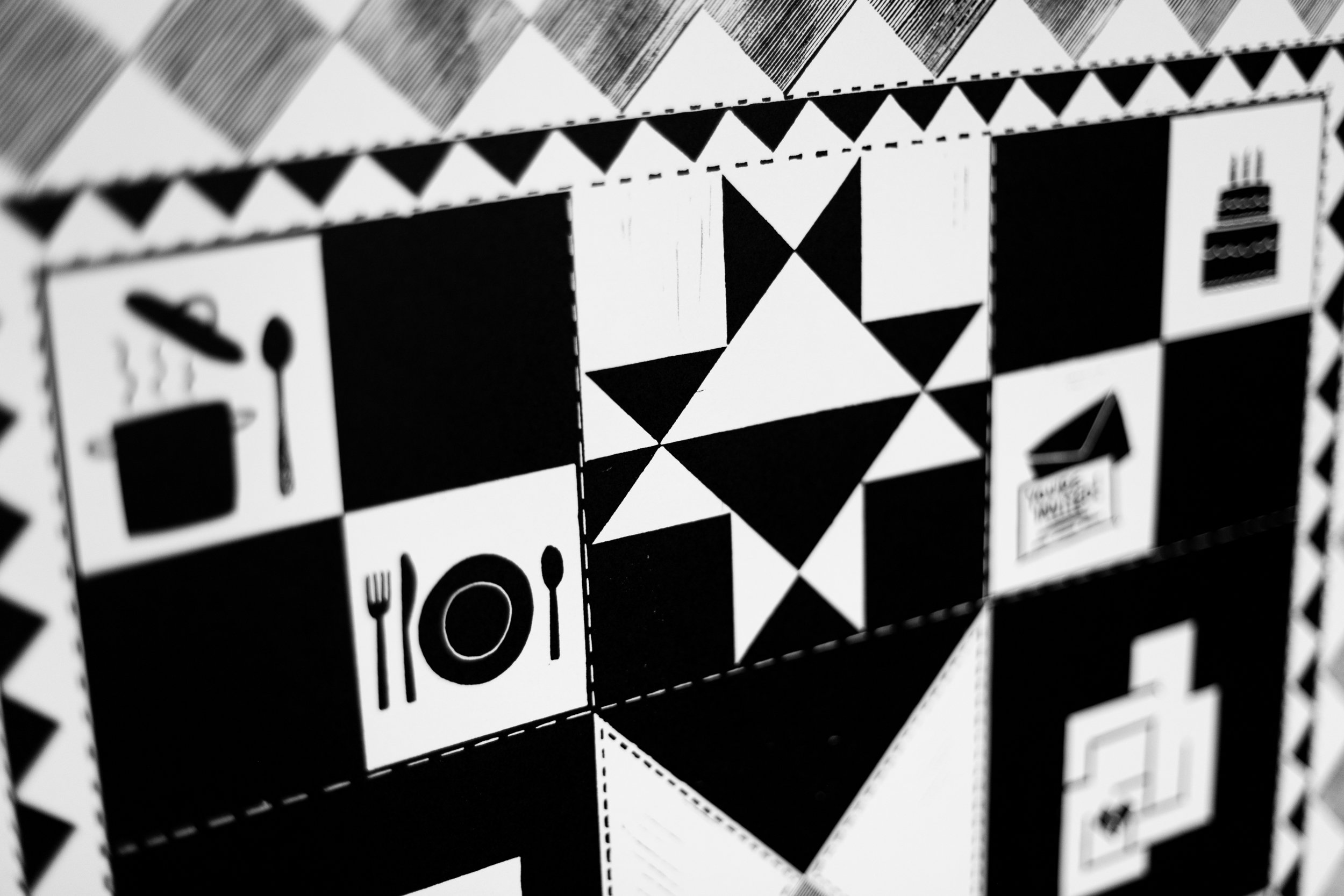 Image 7 of 9
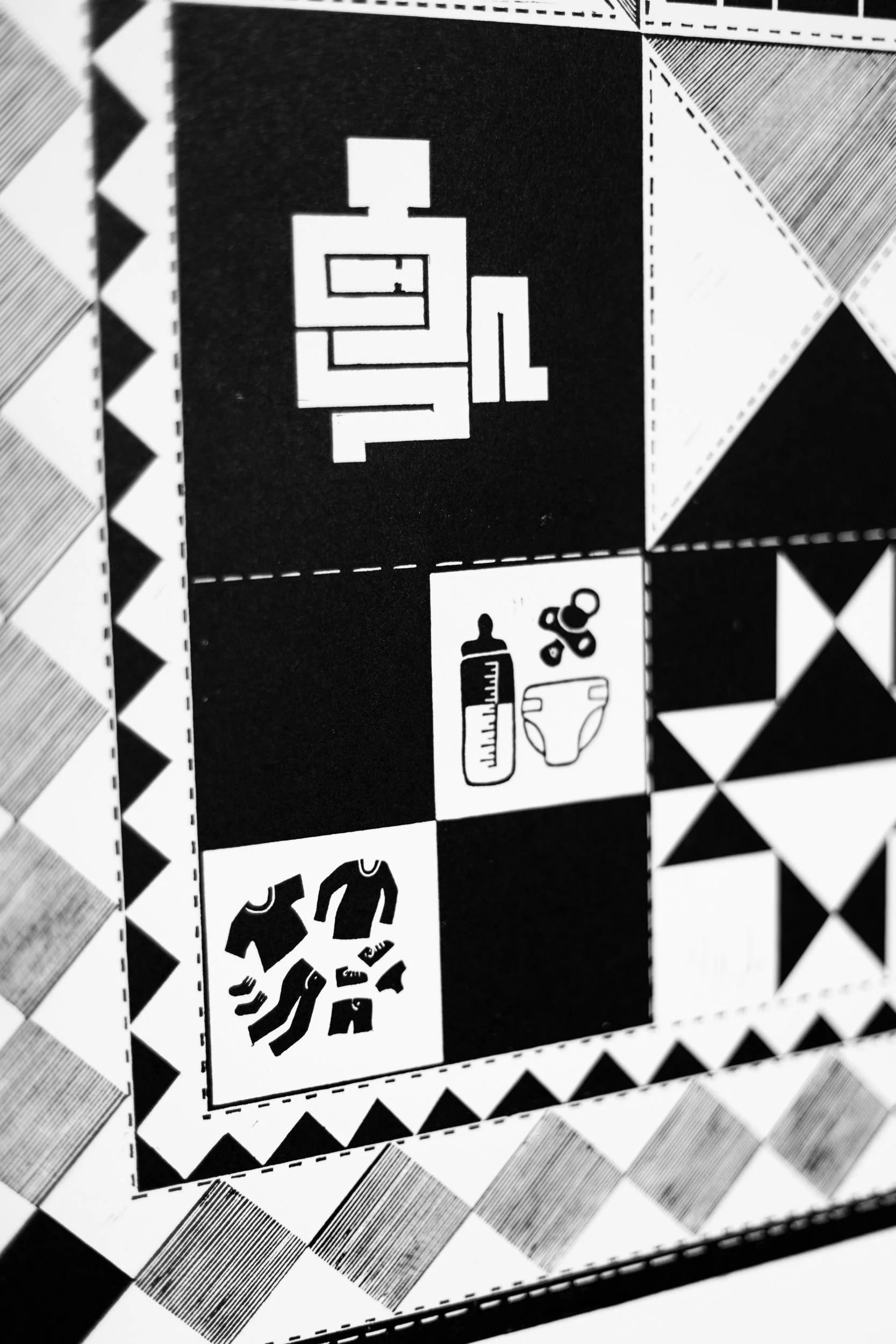 Image 8 of 9
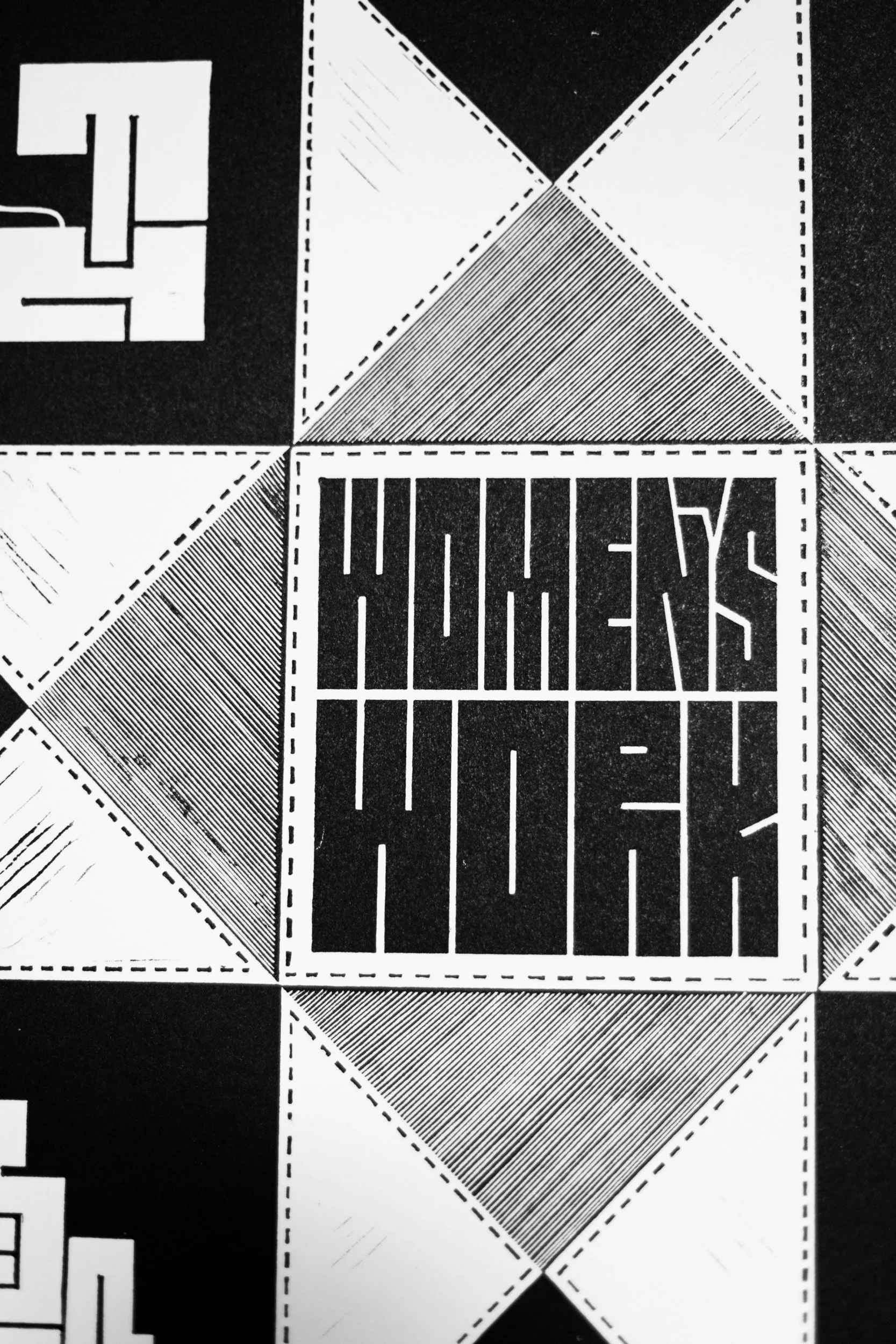 Image 9 of 9